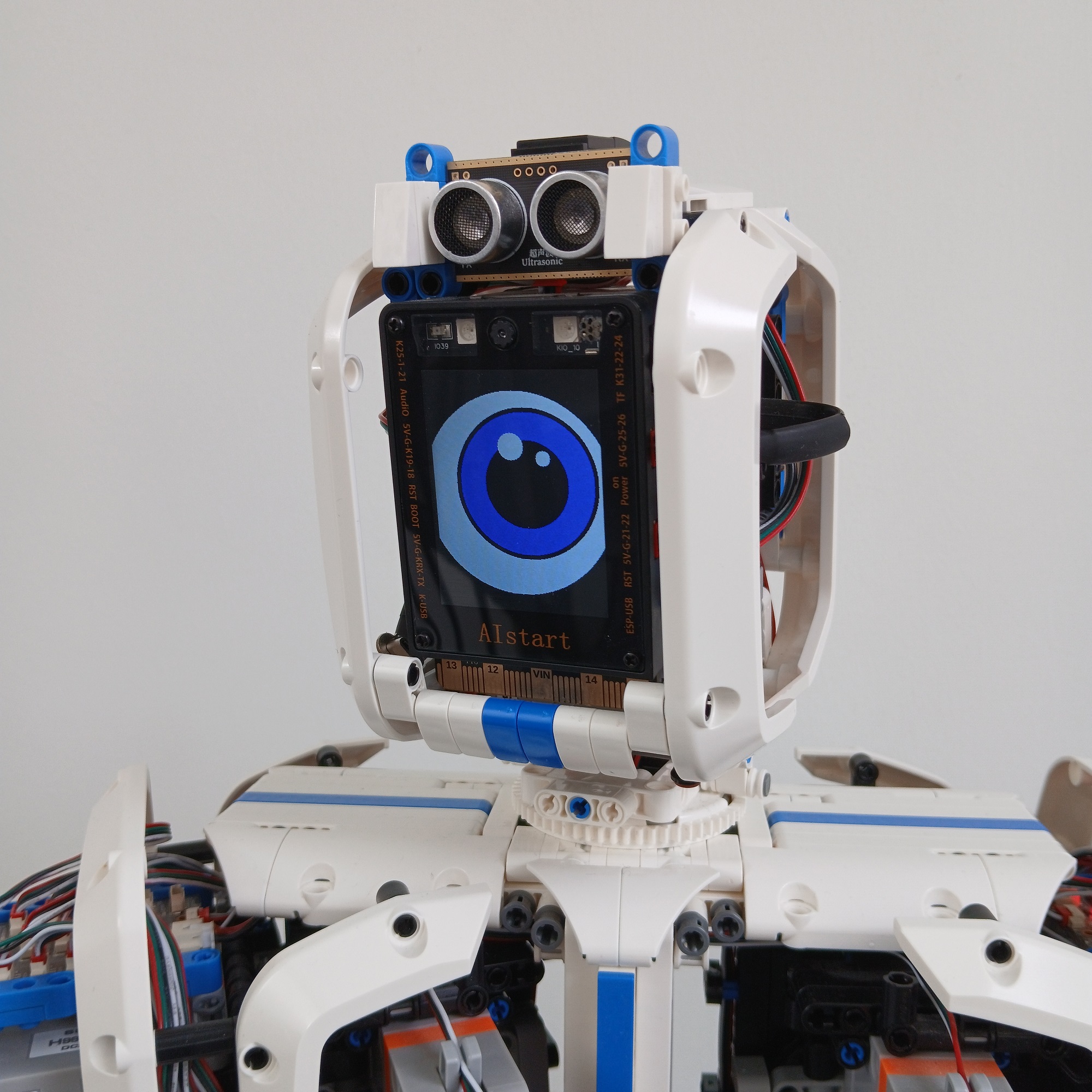
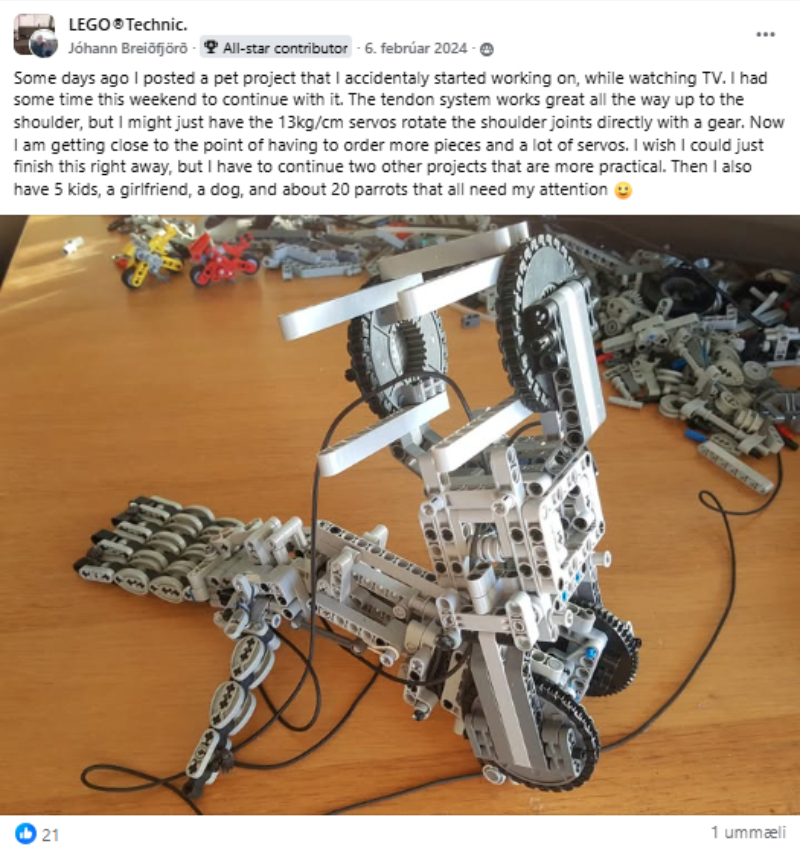
When Johann was 15 years old, in 1989, he built a LEGO® Technic™ robot controlled using train track switches and ribbon cable wiring.
It could drive on caterpillar tracks, operate 8 motors, lift objects weighing up to 400 grams with a multi-jointed robotic arm and gripper, and even included a front winch.
At the time, LEGO® was not producing anything remotely like that, so he had a simple thought:
why not ask them if he could help develop it further?
So he bought a plane ticket to Denmark, took the train to Billund, walked into LEGO® reception late on a Friday afternoon, and asked if he could apply for a freelance design job.
By remarkable luck, the head of the Technic department at the time, Mr. Ole Vestergaard Poulsen, happened to still be in the office.
He agreed to meet Johann, looked at photographs of the robot, and explained that LEGO® designers also needed strong model aesthetics, not only technical problem-solving skills.
Still, he invited Johann to send more examples of his work.
During the following Christmas holiday, Johann built additional models and mailed photographs to him.
A few months later, he received a letter asking whether he would be willing to take a design test.
Read more about the LEGO® design test and freelance work
The design test
The test consisted of five identical bags of LEGO® Technic™ parts.
The task was to create five completely different model proposals, each using at least 80% of the supplied pieces.
Among those parts was the Technic Gearbox 2 × 4 × 3 1/3 (part 6588), which at the time represented LEGO’s standard worm-drive housing geometry.
While working on the test, Johann developed the compact 8-tooth worm-drive housing concept that LEGO® later adopted.
Technical footnote for LEGO® Technic™ enthusiasts
The 8-tooth worm-drive geometry
At the time, LEGO® worm gears were typically paired with 24-tooth or 40-tooth gears.
The compact 8-tooth worm-drive arrangement did not yet exist as a standard building solution.
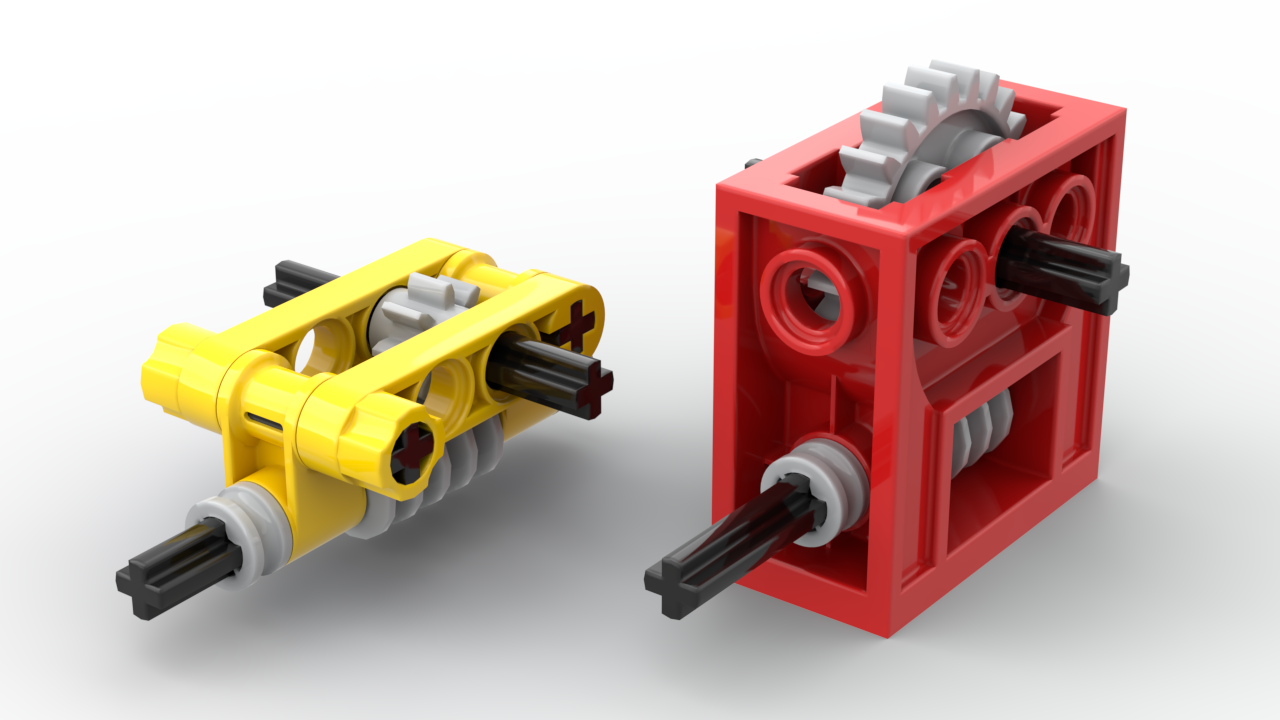
During the design test, Johann developed the compact housing concept shown below.
The underlying construction concept later became part of LEGO® Technic™ design language.

Left: compact 8-tooth worm-drive housing concept developed during the design test.
Right: the larger standard LEGO® worm-drive housing geometry of that era.
One detail Johann has always found curious is that the worm screw itself was never shortened for this configuration,
despite half its length serving no mechanical purpose there.
Years of designing
LEGO® later informed Johann that he had passed the test with excellence and specifically noted that he used the supplied parts in “new and exciting ways.”
The contract took additional time because LEGO’s legal department needed to prepare a new arrangement for what Johann was told was their first foreign freelance designer working remotely.
He was still in junior college when he began working with LEGO®, initially designing B-models - alternate models for official sets - during summer periods.
After graduation, he asked whether there would be enough ongoing work to continue.
LEGO® responded by sending approximately 100 kilograms of LEGO® to Iceland so he could continue developing ideas and proposals.
Several years later, Johann stepped away from that work.
When he did, LEGO® told him not to return the bricks in case he ever wanted to come back.
From LEGO® to teaching to Robert
After several years in storage, Johann asked LEGO® for permission to use that collection for creativity courses for children in Iceland.
The goal was to teach engineering fundamentals, creative thinking, and problem-solving through hands-on building.
What began as a small side project grew into something lasting.
Johann still teaches those creativity courses today.
In many ways, Robert is a continuation of that same journey.